








Wisdom Tooth Removal

Wisdom Tooth Removal

Safe, Gentle & Expert Wisdom Tooth Extraction for Lasting Comfort

Wisdom teeth are the last set of molars to develop, usually emerging between the ages of 17 and 25. While some wisdom teeth grow normally, many become impacted or fail to erupt properly due to limited space in the jaw. This can lead to pain, swelling, infection, and damage to neighboring teeth.
At Rudraksh Dental Care & Implant Center, we provide safe and comfortable Wisdom Tooth Removal using advanced diagnostic technology and modern surgical techniques. Our experienced dentists carefully evaluate the position of your wisdom tooth and recommend the most appropriate treatment to relieve pain and prevent future dental complications.

Wisdom Tooth Removal

What is Wisdom Tooth Removal?

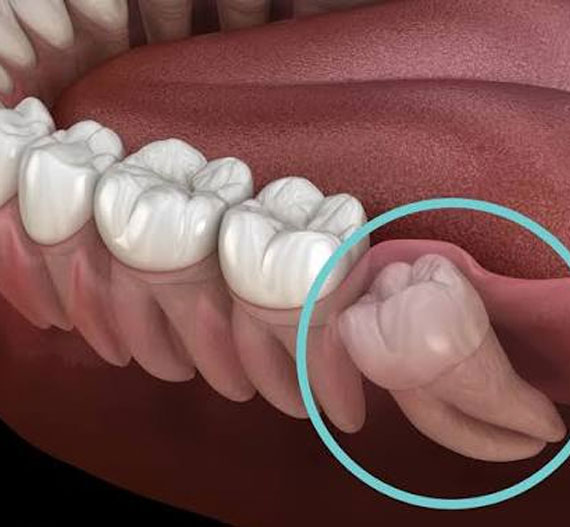
Wisdom Tooth Removal is a common dental procedure performed to extract one or more wisdom teeth that are causing pain, infection, crowding, or other oral health problems. Wisdom teeth are the third and final set of molars located at the back of the mouth.
When there isn’t enough space for these teeth to erupt properly, they may become impacted beneath the gums or grow at an angle, putting pressure on adjacent teeth and surrounding tissues. Removing problematic wisdom teeth helps prevent pain, infections, cyst formation, gum disease, and damage to neighboring teeth.
Our dental team performs thorough clinical evaluations and digital X-rays to determine whether extraction is necessary and to ensure a safe, effective procedure.

Common Signs & Symptoms

You may need Wisdom Tooth Removal if you experience:

What Causes Wisdom Tooth Problems?

Wisdom tooth issues commonly develop due to:

Why Choose Rudraksh Dental Care ?

Choosing the right dental clinic is essential for achieving lasting oral health and a comfortable treatment experience. At Rudraksh Dental Care & Implant Center, we combine advanced dental technology with compassionate patient care to deliver high-quality treatment for every member of your family.

Experienced And Highly

Qualified Dental Professionals

Advanced Digital

Diagnostic Technology

Personalized Treatment

Plans For Every Patient

Modern Equipment And

Minimally Invasive Procedures

Strict Sterilization And

Hygiene Protocols

Comprehensive Dental

Care Under One Roof

Affordable Dental

Solutions With Quality Care

Family Friendly

Clinic Environment

FAQ

Find answers to the most common questions about Wisdom Tooth Removal.
How do I know if my wisdom tooth needs to be removed?
If your wisdom tooth is causing pain, swelling, infection, crowding, or is impacted, your dentist may recommend removal after a clinical examination and digital X-rays.
Is Wisdom Tooth Removal painful?
No. The procedure is performed under local anesthesia, ensuring a comfortable and pain-free experience. Mild soreness after the extraction is normal and can be managed with prescribed medications.
How long does the procedure take?
The duration depends on the position of the tooth. Most wisdom tooth extractions are completed within 30 to 60 minutes.
What should I eat after Wisdom Tooth Removal?

Soft foods such as yogurt, soup, mashed potatoes, smoothies, and rice are recommended for the first few days. Avoid hard, spicy, or crunchy foods until healing progresses.

How long does it take to recover?
Most patients recover within a few days, while complete healing of the extraction site generally takes a few weeks. Following your dentist's aftercare instructions helps ensure faster recovery.
Can I go to work or college after the procedure?
Many patients prefer to rest for the remainder of the day after the extraction. Depending on the complexity of the procedure, you can usually resume normal activities within one to two days.
What happens if an impacted wisdom tooth is not removed?

Untreated impacted wisdom teeth can cause infections, gum disease, tooth decay, cyst formation, damage to nearby teeth, and persistent jaw pain.

Will removing a wisdom tooth affect my other teeth?

No. In fact, removing a problematic wisdom tooth often helps protect adjacent teeth from damage and reduces the risk of future dental complications.